I have spent several years coordinating wedding setups and managing event rentals for couples across the Tampa Bay area. During that time, I have learned that the rental choices often determine how comfortable a wedding feels and how well the entire celebration comes together. A beautiful venue gives me a starting point, but the furniture, tables, lighting, linens, and decorative details help turn an empty space into a welcoming place for guests. I have worked on outdoor ceremonies, waterfront receptions, and traditional ballroom celebrations, and each one has required a different approach.
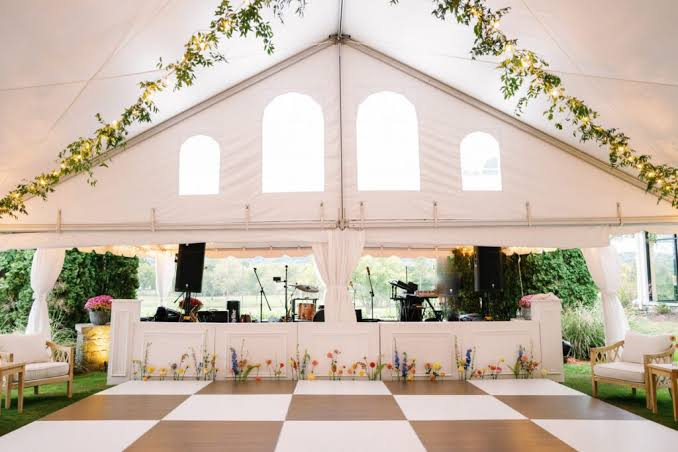
Understanding the Venue Before Choosing Rentals
Before I recommend any rental equipment, I study the wedding venue and its available space. Tampa has many different event settings, from private gardens and historic properties to hotels and waterfront locations, so I never assume that the same setup will work everywhere. A reception for 100 guests in a compact indoor room requires different furniture arrangements from a celebration with 180 guests under an outdoor tent. I also check access points, flooring, electrical outlets, and the distance between the ceremony and reception areas.
Weather is another factor I consider during the planning process. Tampa can experience sudden rain and high humidity, particularly during the warmer months, which makes backup arrangements essential for outdoor weddings. I usually recommend that couples discuss tent options early rather than waiting until the final few weeks. A covered area can protect tables, chairs, catering equipment, and guests if the weather changes unexpectedly.
I also pay attention to the venue’s existing furniture and decorative features. Some locations already provide tables, basic chairs, or a preparation area, while others require almost everything to be brought in. Renting duplicate equipment can waste money and create unnecessary storage problems. I prefer to create a simple inventory before suggesting additional items.
Finding Rental Services That Match the Wedding Style
I have noticed that couples often begin their rental research by looking at photographs of previous weddings. This is a useful starting point because it helps identify the furniture styles, table arrangements, and decorative elements that fit their vision. For couples comparing local options, wedding rentals Tampa can be a helpful resource when planning the equipment and presentation for a special event. I recommend reviewing available rental categories and discussing delivery arrangements before making a final decision.
I never choose a rental company based on photographs alone. I ask about the condition of the equipment, delivery windows, setup responsibilities, collection times, and replacement procedures for damaged items. These details can affect the wedding schedule just as much as the decorations themselves. A company that communicates clearly makes coordination considerably easier.
For example, I once worked with a couple who wanted a relaxed garden reception with wooden tables and simple seating. Their original plan included several decorative furniture pieces, but the venue had limited space around the dining area. I suggested reducing the number of decorative items and investing more in comfortable chairs. The final arrangement looked cleaner and gave guests more room to move around.
Choosing Tables, Chairs, and Dining Furniture
Tables and chairs are among the first rental items I discuss because they influence the entire reception layout. Round tables are useful for encouraging conversation, while rectangular banquet tables can create a more traditional dining arrangement. For a reception with approximately 120 guests, I might consider twelve tables seating ten people each, depending on the available room and table dimensions. I always confirm the actual seating capacity before approving the floor plan.
Chair selection deserves more attention than some couples initially expect. Basic folding chairs can work well for casual outdoor ceremonies, but padded banquet chairs or elegant wooden designs may suit a formal reception better. I consider the wedding theme, venue flooring, table height, and the length of the event before making recommendations. Guests may spend several hours sitting during dinner and speeches, so comfort matters.
I also check the space required between dining tables. Servers need clear paths to deliver food, and guests should be able to leave their seats without disturbing nearby tables. I have seen attractive reception layouts become uncomfortable because too many tables were squeezed into one room. Leaving enough walking space usually creates a better experience.
Using Linens, Lighting, and Decorations to Set the Mood
Linens can change the appearance of a reception without requiring major decorative installations. I often suggest choosing tablecloths and napkins that complement the wedding colors rather than matching every item exactly. White and ivory remain popular choices, while muted green, dusty blue, and champagne shades can add character to a carefully planned setup. I always request fabric samples when possible because colors may look different under indoor lighting.
Lighting also affects the atmosphere, especially during evening receptions. I have used warm string lights for outdoor dining areas, small table lamps for intimate arrangements, and uplighting to highlight architectural features. For a venue with a high ceiling, I first check whether the lighting equipment can be installed safely and whether the venue permits suspended decorations. I never assume that a decorative lighting idea can be attached to existing structures without approval.
Centerpieces should fit the table rather than compete with the people sitting around it. Tall arrangements can look impressive in photographs, but they may block conversations if their bases and shapes are poorly selected. I often recommend low floral arrangements for dining tables and reserve taller decorative pieces for entrance areas or open spaces. Small details make a difference.
Planning Outdoor Weddings Around Tampa Weather
Outdoor weddings are popular in the Tampa area, but I approach them with a practical mindset. Heat, humidity, wind, and rain can affect the comfort of guests and the condition of rented equipment. I usually discuss tent dimensions, sidewalls, fans, flooring, and weather protection during the early planning stages. A tent should provide enough coverage for the dining arrangement rather than simply fitting over the ceremony area.
For a summer wedding, I pay particular attention to guest comfort during the afternoon. Portable fans and shaded seating can help reduce discomfort, while water stations should remain easy to access. I also consider whether the rental furniture is suitable for outdoor use and whether delicate fabrics could become damaged by moisture. These decisions are easier to manage before the delivery schedule is finalized.
Wind can create problems with lightweight decorations and table settings. I prefer secure centerpieces, properly weighted linens, and stable furniture in exposed locations. If the ceremony takes place near the water, I also consider the possibility of breezy conditions throughout the day. A practical setup protects the appearance of the event without making the space feel overly complicated.
Managing Rental Budgets and Delivery Schedules
I encourage couples to establish a rental budget before selecting individual products. The total cost can include more than the advertised rental price, particularly when delivery, installation, collection, cleaning, and additional equipment are involved. A couple planning a reception with several hundred guests may need a substantial amount of furniture and supporting equipment, so small price differences can add up quickly. I prefer to compare complete quotations rather than looking at individual item prices.
I also separate essential rentals from decorative extras. Tables, chairs, dining equipment, and appropriate weather protection generally receive priority in my planning. Specialty furniture, elaborate backdrops, and additional decorative pieces can be considered after the basic requirements are covered. This approach gives couples more control over their spending.
Delivery timing requires careful coordination. I usually ask the venue when rental companies are allowed to enter and how much time they have for installation. Some locations have strict loading arrangements or limited access hours, which can affect the entire setup schedule. I also confirm the collection window so that equipment does not interfere with the venue’s closing procedures.
Final Checks Before the Wedding Day
During the final planning stage, I review the rental order against the approved floor plan. I check quantities, dimensions, colors, equipment condition, and any special installation requirements. If the guest count changes from 100 to 115, I update the seating arrangement and confirm whether additional tables or chairs are necessary. I prefer resolving these details several days ahead rather than making rushed decisions during setup.
I also make sure someone is responsible for communicating with the rental team on the wedding day. The person handling this task should have access to the venue layout, delivery instructions, and the contact details of the event coordinator. Clear communication prevents confusion when several vendors arrive at the same time. It also gives the couple more freedom to enjoy their celebration.
My experience has taught me that successful wedding rentals depend on thoughtful planning rather than simply choosing attractive furniture. I always recommend starting with the venue, confirming the guest count, and selecting equipment that supports the actual needs of the celebration. Tampa offers plenty of possibilities for indoor and outdoor weddings, and the right rental choices can make either setting feel personal and comfortable. I would rather see a well-organized reception with carefully selected details than an overcrowded space filled with decorations that serve little purpose.
Leave a Reply